
“Why doesn’t she just leave?” 🤷🏼♀️
This question shows such a lack of insight into what it’s like to be in a coercively controlling relationship – but it’s one that gets asked every time another domestic violence story hits the news.
Why the fuck did she stay?
Why did she go back after she left?
Why did she let them treat her like that?
How did she miss the red flags? 🚩
But a better question is: what’s happening to her that’s making it so hard to leave?
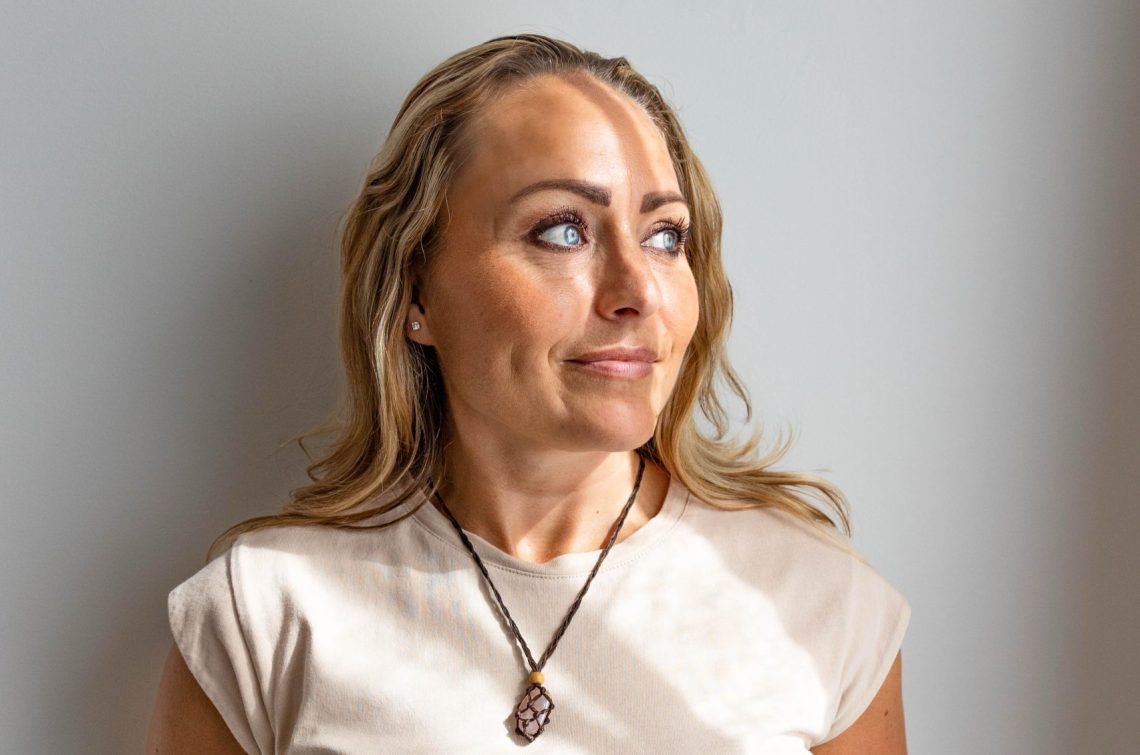
I’ve spent 18 years working as a parole officer specialising in supervising perpetrators of domestic violence while also experiencing abusive relationships in my personal life.
It’s so much more complicated than just leaving.
Domestic violence isn’t always what you think it is – sometimes it’s very subtle and often disguised as love. 🥺
Abuse can include emotional, psychological, sexual, financial, using children, technology or systems to manipulate you to stay.
Many abusive relationships don’t start with obvious abuse. They can begin with intense connections, love-bombing and someone appearing to be everything you’ve ever wanted.
Abuse can start very gradually and can come across as care, protection and concern but eventually turns into controlling behaviours, gaslighting, manipulation, undermining her decisions, turning her into a shell of herself and threatening consequences when she tries to set boundaries or leave.
You don’t always realise you’re being controlled when the control is introduced one tiny restriction at a time.
LET’S TALK ABOUT WHAT SHE’S ACTUALLY DEALING WITH
There are a multitude of reasons why a woman may stay in an abusive relationship.
Right now among some of my clients who feel stuck not being able to leave are that they can’t afford to leave – the housing prices are too high to afford a home for her and and her children.
Some feel so emotionally attached to their abuser that even though they hate the way they’re being treated, they can’t imagine life without them.
Some have zero confidence that they’d have the ability to stand on their own two feet.
Some of their partners are threatening suicide or to report them to child protection so they risk losing their kids (this was a common thing I saw in incident reports with my Corrections clients).
Some of their partners have discredited them so much to anyone who knows them that they’re completely isolated.
Over time, these experiences can destroy a woman’s confidence, undermine her ability to trust herself and leave her questioning whether she’s capable of building a different life. 🥺
And even when she knows she deserves better, the practical and safety barriers can feel impossible to overcome.
LEAVING ISN’T ALWAYS THE END OF DANGER
A woman can understand perfectly well that she’s being abused and still be unable to leave safely.
Leaving an abusive relationship can be one of the most dangerous times, particularly when the perpetrator feels they’re losing control. Australian research has found that actual or intended separation was a factor in 58% of male-perpetrated intimate partner homicides examined.
The abuser often continues the harassment and stalking, spreading rumours among those who know the victim. 🗣️
The victim is aware of all these risks and so it often takes weeks, months or sometimes years to prepare to leave safely.
THE DAMAGE CAUSED BY VICTIM-BLAMING
When someone experiencing gaslighting and manipulation hears things like “why are you still with him? Why don’t you just leave? Well, you keep going back you should have known better” they hear judgement, a lack of understanding, and someone who isn’t safe to talk to/be vulnerable with. 🫂
This can isolate them further, increase shame and reluctance to reach out for much needed support.
When someone finally finds the courage to tell you what’s happening behind closed doors, how you respond could determine whether they ever feel safe enough to ask for help again.
I spent years assessing and supervising perpetrators of serious family violence. Knowing what abuse looked like professionally didn’t make me immune to experiencing it personally, and when I finally broke the cycle I had to spend a lot of time healing the shame. ❤️🩹
One of the things I value most in my coaching work is creating a space where people feel safe enough to share their experiences without fear of judgement. As one client put it…
“From me and that little girl inside that just wanted to be heard, not judged and feel safe – you are fucking amazing! … will be eternally grateful.”
– Nat, coaching and energy client
WHAT SHOULD WE BE ASKING INSTEAD?
More helpful questions are things like:
Do you feel safe? What do you need right now?
How can I support you without making things harder?
Is it safe for us to be talking about this? Do you want help exploring your options?
It’s SO important to listen to understand, without judgement, respect their autonomy and privacy, and don’t pressure them to take actions they aren’t ready to take yet.
Also consider seeking support for yourself if you’re supporting someone going through this situation.
CHANGE THE QUESTION, CHANGE THE CONVERSATION.
The next time you hear someone ask, “Why doesn’t she just leave?”, I’d encourage you to challenge that question.
The real issue isn’t why she’s staying.
It’s why someone who claims to love her is choosing to frighten, control, manipulate or hurt her.
Stop asking what’s wrong with her.
Start asking what’s happening to her.
And start asking what we can do to help her feel safe.
If this blog has helped you see domestic violence from a different perspective, please share it.
Someone in your circle might need to hear it.
Much love,

Need support?
If you or someone you know is experiencing domestic or family violence, contact 1800RESPECT on 1800 737 732 or visit 1800respect.org.au.
If you’re in immediate danger, call 000.


